Heart Attack: Symptoms, Causes, Treatment, and Prevention
Understand the warning signs of a heart attack, its common causes, available treatments, and practical ways to support heart health.

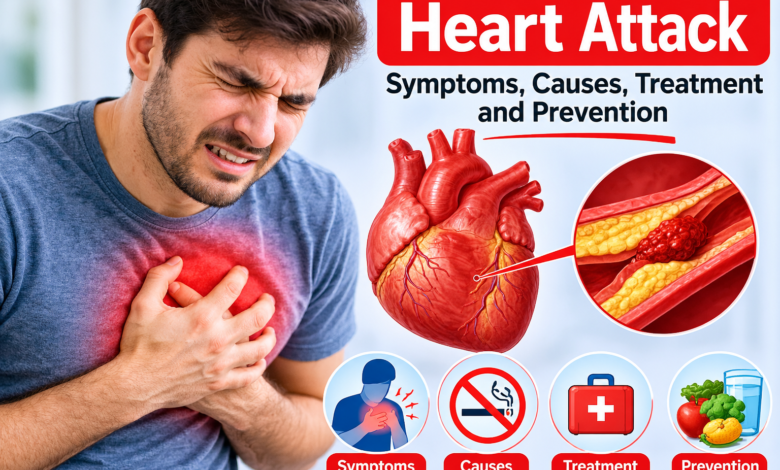
A heart attack is a serious medical emergency that occurs when blood flow to part of the heart muscle becomes blocked or severely reduced. Without enough oxygen-rich blood, the affected heart muscle can become damaged. Recognizing the warning signs and getting medical help quickly can save a life.
Common symptoms include chest pain or pressure, shortness of breath, sweating, nausea, and discomfort in the arms, back, neck, jaw, or stomach. However, not everyone experiences the same symptoms, and some people have milder warning signs.
Understanding what causes a heart attack, how to recognize its symptoms, and what steps can reduce the risk can help people make informed decisions about their health. If you suspect someone is having a heart attack, call your local emergency service immediately rather than waiting for symptoms to disappear.
What Is a Heart Attack?
A heart attack, medically known as a myocardial infarction, happens when blood cannot reach part of the heart muscle properly. The heart needs a constant supply of oxygen through the coronary arteries to pump blood throughout the body.
In many cases, fatty deposits called plaque build up inside these arteries. If a plaque ruptures, a blood clot may form and block blood flow. This prevents oxygen from reaching the affected area of the heart.
A heart attack is different from cardiac arrest. A heart attack is a problem with blood circulation to the heart muscle, while cardiac arrest occurs when the heart suddenly stops pumping blood effectively. A heart attack can sometimes lead to cardiac arrest, making immediate treatment especially important.
Common Symptoms of a Heart Attack
The symptoms of a heart attack can develop suddenly or begin gradually over several minutes or longer. They may also come and go.
1. Chest Pain or Pressure
Chest discomfort is one of the most recognized warning signs. It may feel like pressure, squeezing, fullness, heaviness, or pain in the center of the chest. The discomfort may last several minutes or disappear and return.
2. Shortness of Breath
A person may struggle to breathe even while resting or doing a simple activity. Shortness of breath can occur with chest discomfort or sometimes without it.
3. Pain in Other Parts of the Body
Heart attack discomfort may spread to one or both arms, the shoulders, back, neck, jaw, or upper stomach. Some people mistake these symptoms for indigestion, muscle pain, or another minor problem.
4. Sweating, Nausea, and Dizziness
Cold sweats, nausea, vomiting, lightheadedness, and unusual weakness can also occur. Some people feel extremely tired or generally unwell without experiencing severe chest pain.
Women, older adults, and people with diabetes may experience less typical symptoms. However, anyone can have symptoms that differ from the commonly recognized pattern.
Important: If you suspect a heart attack, seek emergency medical help immediately. Do not drive yourself to the hospital or wait to see whether the symptoms improve.
What Causes a Heart Attack?
The most common underlying cause is coronary artery disease. This condition develops when plaque accumulates inside the arteries that supply blood to the heart.
Several factors can increase the likelihood of a heart attack:
- High blood pressure: It puts extra strain on the heart and damages blood vessels over time.
- High cholesterol: High levels of LDL cholesterol can contribute to plaque buildup in the arteries.
- Smoking: Tobacco damages blood vessels and increases the risk of blood clots.
- Diabetes: High blood sugar can damage blood vessels and increase cardiovascular risk.
- Physical inactivity: A sedentary lifestyle can contribute to several heart disease risk factors.
- Unhealthy eating habits: A diet high in salt, trans fats, and excessive saturated fat can contribute to cardiovascular problems.
- Excessive alcohol use: Heavy drinking can raise blood pressure and contribute to heart-related conditions.
- Family history and age: Risk generally increases with age, and a family history of early heart disease can increase personal risk.
A heart attack can also occur in people who have no previously diagnosed heart condition. That is why recognizing warning signs remains important even when someone appears healthy.
How Is a Heart Attack Diagnosed?
Doctors assess symptoms, medical history, and physical examination findings when evaluating a possible heart attack. They usually perform an electrocardiogram (ECG or EKG) to check the heart’s electrical activity.
Blood tests can measure troponin, a protein released when heart muscle cells are damaged. Doctors may repeat these tests to understand whether heart injury is occurring.
Depending on the situation, additional investigations may include an echocardiogram, coronary angiography, or other imaging tests. The medical team uses these findings to determine the cause of the symptoms and select the appropriate treatment.
Heart Attack Treatment
A heart attack requires urgent hospital treatment. The main goal is to restore blood flow to the affected heart muscle as quickly as possible and limit damage.
Treatment may include medications that reduce clot formation, manage pain, or support heart function. Doctors may also perform an emergency procedure called percutaneous coronary intervention (PCI), commonly known as angioplasty, to open a blocked artery. A stent may be placed to help keep the artery open.
In some cases, coronary artery bypass surgery may be necessary. The choice of treatment depends on the type of heart attack, the location of the blockage, and the patient’s overall condition.
After treatment, cardiac rehabilitation can help patients recover through supervised physical activity, education, and support for healthier daily habits.
How to Reduce the Risk of a Heart Attack
Although not every heart attack can be prevented, several lifestyle changes can lower the risk of cardiovascular disease.
Eat a Heart-Healthy Diet
Choose vegetables, fruits, whole grains, beans, nuts, and other nutritious foods. Limit excess salt, processed foods, and foods high in trans fats and saturated fats.
Stay Physically Active
Regular physical activity supports heart health and helps manage blood pressure, cholesterol, and blood sugar. Adults are generally advised to aim for at least 150 minutes of moderate-intensity aerobic activity each week, if appropriate for their health and abilities.
Avoid Smoking
Stopping smoking can improve cardiovascular health. Avoiding secondhand smoke is also beneficial.
Monitor Blood Pressure and Cholesterol
Regular health checkups can identify risk factors before they cause serious problems. People with diabetes, high blood pressure, or high cholesterol should work with a healthcare professional to manage these conditions.
Get Enough Sleep and Manage Stress
Consistent sleep habits and healthy ways of managing stress can support overall well-being. Follow medical advice and take prescribed medicines as directed.
Frequently Asked Questions
Can a heart attack happen without chest pain?
Yes. Some people experience shortness of breath, nausea, sweating, unusual fatigue, or discomfort in other parts of the body without noticeable chest pain.
How long do heart attack symptoms last?
Symptoms vary. They may persist for several minutes or come and go. Never use symptom duration to decide whether emergency care is necessary.
Can young people have a heart attack?
Yes, although the risk is generally lower in younger people. Certain medical conditions, inherited factors, smoking, and other risks can contribute to heart attacks at a younger age.
What should you do if someone may be having a heart attack?
Call emergency services immediately and follow the dispatcher’s instructions. Help the person rest and avoid unnecessary exertion. If they become unresponsive and are not breathing normally, begin CPR and use an automated external defibrillator (AED), if available, following emergency guidance.
Final Thoughts
A heart attack is a medical emergency, but early recognition and prompt treatment can improve outcomes. Learning the warning signs, managing health conditions, avoiding tobacco, and maintaining healthy daily habits can help protect your heart.
If you suspect a heart attack, do not delay seeking emergency care. Getting help quickly is far more important than trying to diagnose the symptoms yourself.
read more: https://publishbuddie.co.uk/