Am I Having a Heart Attack Female Quiz? Symptoms Women Should Never Ignore
Am I Having a Heart Attack Female Quiz: Warning Signs, Symptoms in Women, and When to Seek Emergency Help

Searching for an am i having a heart attack female quiz can be worrying, especially when you are experiencing symptoms you cannot explain. Perhaps your chest feels uncomfortable, you suddenly feel nauseated, or you are more breathless than usual. It is natural to wonder whether something serious is happening. While these symptoms can have several causes, some may be warning signs of a heart attack, and knowing the difference is important.
Heart attacks do not always happen the way people expect. A woman might experience chest pressure, but she may also notice back pain, unusual tiredness, sweating, or shortness of breath. Sometimes, these symptoms are mistaken for indigestion, stress, or exhaustion. If you think you may be having a heart attack right now, call your local emergency number immediately. Do not wait to finish a quiz or read through a list of symptoms before getting help.
What Is an Am I Having a Heart Attack Female Quiz?
An am i having a heart attack female quiz is usually a series of questions about symptoms that may occur during a heart attack. It might ask whether you have chest discomfort, pain in your arms or jaw, difficulty breathing, nausea, or sudden weakness. Reading through these questions can help you understand the warning signs, particularly if you are unfamiliar with how heart attacks may affect women.
However, answering a few questions cannot tell you whether you are having a heart attack. Some symptoms overlap with less serious conditions, while others may be caused by medical emergencies that need different treatment. Doctors assess suspected heart attacks using information about your symptoms, an electrocardiogram (ECG), blood tests, and other examinations when necessary. An online quiz can provide general information, but it cannot replace a proper medical assessment.
Heart Attack Symptoms Women Should Know
Chest Discomfort That Feels Unusual
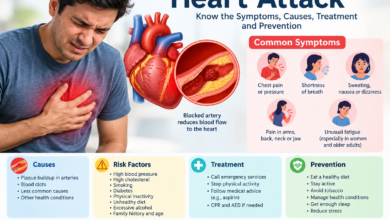
Chest pain is one of the best-known signs of a heart attack, but it does not always feel like a sharp or unbearable pain. Some women describe it as pressure, tightness, heaviness, or a squeezing sensation in the middle of the chest. The discomfort may last several minutes or disappear before returning. It can also feel different from any chest discomfort the person has experienced previously.
Because chest discomfort has several possible causes, it is not always easy to identify the problem without medical testing. Nevertheless, new or unexplained pressure in the chest should never be brushed aside, particularly when other symptoms appear at the same time. If you suspect a heart attack, seek emergency medical help immediately rather than waiting to see whether the discomfort settles on its own.
Shortness of Breath Without an Obvious Reason
Have you ever felt breathless even though you had not been exercising or doing anything physically demanding? Unexpected shortness of breath can sometimes be associated with a heart attack. It may occur alongside chest discomfort, but some women experience breathing difficulties without obvious chest pain. This can make the situation confusing, especially when the person assumes she is simply tired or anxious.
Breathing problems can also result from asthma, respiratory infections, and other conditions. The important thing is to pay attention when breathlessness starts suddenly, feels unusual, or occurs with sweating, dizziness, nausea, or upper-body discomfort. If a heart attack is possible, call emergency services. Do not attempt to diagnose the cause yourself or delay treatment while searching online for an explanation.
Pain in the Back, Neck, Jaw, or Arms
Not every heart attack causes pain in the chest alone. Some women experience discomfort that spreads to the shoulders, arms, neck, jaw, or upper back. The sensation may feel like pressure or aching rather than an obvious injury. For this reason, a woman might initially blame a stiff neck, poor sleeping position, or muscle strain, particularly if she has not noticed any chest symptoms.
Of course, back or jaw pain does not automatically mean that a heart attack is happening. What matters is the overall picture, including whether the pain is new or unexplained and whether other warning signs are present. Sudden upper-body discomfort accompanied by shortness of breath, cold sweating, or chest pressure requires urgent attention. When you suspect a heart attack, do not wait for the pain to become more severe.
Nausea and Indigestion-Like Symptoms
A heart attack can sometimes feel surprisingly similar to a stomach problem. Women may experience nausea, vomiting, or discomfort in the upper abdomen and assume that something they ate has upset their stomach. If there is no obvious chest pain, it can be particularly difficult to connect these symptoms with the heart. This is one reason it is helpful to understand the less familiar warning signs.
There is no need to assume that every episode of indigestion is a medical emergency. However, sudden or unexplained stomach discomfort becomes more concerning when it occurs with chest pressure, unusual sweating, breathlessness, or pain in the back or jaw. If these symptoms suggest a possible heart attack, contact emergency services immediately. Do not take reassurance from the fact that the discomfort feels like ordinary indigestion.
Cold Sweating, Dizziness, and Weakness
Another possible warning sign is breaking out in a cold sweat without an obvious reason. Some women also experience dizziness, lightheadedness, or a sudden feeling of weakness. These symptoms can make everyday activities difficult and may leave a person feeling faint. Although they can occur for many reasons, they should not be ignored when they appear suddenly or alongside other possible heart attack symptoms.
If you become unusually sweaty or dizzy and also experience chest discomfort, breathing difficulties, or unexplained upper-body pain, seek emergency medical help. Sit somewhere safe while waiting for assistance, and avoid driving yourself. It is better to have concerning symptoms assessed promptly than to assume they are caused by tiredness, dehydration, or stress without knowing what is happening.
Unusual Fatigue That Feels Different
Most people feel tired from time to time, particularly after a busy day or a poor night’s sleep. The fatigue sometimes associated with a heart attack can feel different. A woman may experience sudden exhaustion, unusual weakness, or difficulty completing activities that normally feel easy. Some women report feeling unusually tired before or during a heart attack, although fatigue alone is not enough to identify the cause.
Pay attention to changes that feel out of character, particularly when they occur with other warning signs. Persistent fatigue can have many explanations, including sleep problems, anaemia, and other medical conditions. However, if severe or unusual tiredness occurs alongside chest discomfort, nausea, sweating, or shortness of breath, do not dismiss it. Seek emergency help if you suspect a heart attack.
A Simple Symptom Checklist for Women
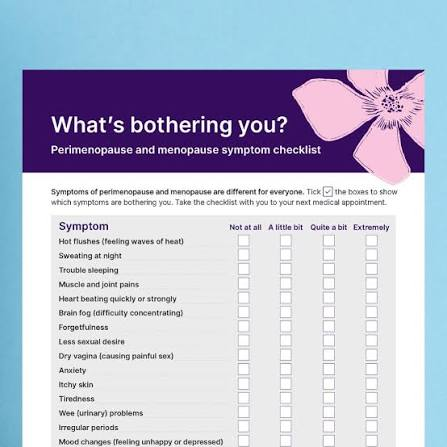
If you are researching an am i having a heart attack female quiz, the following questions can help you become more familiar with common warning signs. They are not a diagnostic test, and there is no score that can reliably tell you whether you are safe.
- Are you experiencing unusual chest pressure, tightness, or discomfort?
- Have you suddenly become short of breath without an obvious reason?
- Do you have unexplained pain in your jaw, neck, arms, shoulders, or upper back?
- Are you experiencing nausea, cold sweating, dizziness, or sudden weakness?
- Have you noticed severe or unusual fatigue that is different from your normal tiredness?
If any of these symptoms are happening now and you suspect a heart attack, contact emergency services immediately. You do not need to answer yes to several questions before taking action. Heart attack symptoms vary, and the absence of one particular symptom does not rule out an emergency. Use this checklist to understand warning signs, not to decide whether medical attention can wait.
What Should You Do If You Suspect a Heart Attack?
The most important step is to get emergency medical help as soon as possible. Call your local emergency number, explain what you are experiencing, and tell the dispatcher when the symptoms started. Stop physical activity and sit in a safe, comfortable position while waiting for help. If someone is nearby, ask them to stay with you. Avoid driving yourself to the hospital if emergency medical services are available.
Follow the dispatcher’s instructions rather than trying home remedies or waiting for the symptoms to pass. Do not take aspirin or other medication unless an emergency professional or healthcare provider advises you, as some medicines may be unsafe in certain circumstances. If someone becomes unresponsive and is not breathing normally, call emergency services, begin CPR if you can, and use an automated external defibrillator if one is available.
Why Do Women Sometimes Miss the Warning Signs?
One reason heart attacks can go unrecognized is that people often expect severe chest pain to be the first and only symptom. When a woman experiences nausea, back discomfort, or unusual fatigue instead, she may not immediately consider a heart problem. Busy schedules, family responsibilities, and previous experiences with anxiety or indigestion can also make it tempting to explain away symptoms rather than seek medical attention.
There is no single pattern that every woman follows during a heart attack. Some experience obvious chest pain, while others have a combination of less familiar symptoms. Learning about these differences does not mean assuming the worst whenever you feel unwell. It simply means understanding that unusual symptoms deserve attention, especially when they appear suddenly or occur together. If you believe something serious may be happening, trust that concern enough to seek appropriate medical help.
What Increases the Risk of a Heart Attack in Women?
Several factors can increase a woman’s risk of developing heart disease, including high blood pressure, high cholesterol, diabetes, smoking, and physical inactivity. A family history of heart disease can also be important. Risk generally changes with age and overall health, but younger women are not completely protected from heart attacks. Having no known risk factors does not guarantee that a person will never experience one.
Certain pregnancy-related complications, including preeclampsia and gestational diabetes, can also be relevant to long-term cardiovascular health. Menopause may coincide with changes in cholesterol, blood pressure, and other risk factors. Regular health checkups can help identify problems that might otherwise go unnoticed. If you have concerns about your personal risk, discuss your medical history and appropriate screening with a healthcare professional.
How Can Women Look After Their Heart Health?
Looking after your heart does not require changing everything about your lifestyle overnight. Eating a balanced diet, staying physically active, avoiding tobacco, getting sufficient sleep, and managing blood pressure and cholesterol can all support cardiovascular health. The best approach is one that fits your circumstances and can be maintained over time. If you have an existing health condition, ask your healthcare professional which changes are most appropriate for you.
Regular checkups are also important because high blood pressure and high cholesterol may not cause noticeable symptoms. Keeping track of these factors can help you and your clinician make informed decisions about prevention. Just as importantly, learn the warning signs of a heart attack and take them seriously if they occur. Healthy habits can lower risk, but they cannot eliminate it entirely, so knowing when to seek emergency care remains essential.
Conclusion
Searching for an am i having a heart attack female quiz can be a useful starting point for learning about women’s heart health, but the answers should never replace medical care. Chest discomfort, shortness of breath, nausea, cold sweating, dizziness, unusual fatigue, and upper-body pain can all be warning signs. Not every woman experiences the same symptoms, and a heart attack does not always begin with severe chest pain.
If something feels seriously wrong, do not spend time trying to diagnose yourself online. Call your local emergency number if you suspect a heart attack and follow the instructions you receive. For long-term protection, keep up with recommended health checkups and discuss your personal risk factors with a healthcare professional. Recognizing the warning signs and acting quickly can make a life-saving difference.
Frequently Asked Questions
1. Can an am i having a heart attack female quiz tell me if I am having a heart attack?
No. An online quiz cannot diagnose a heart attack or rule one out. It can help you learn about symptoms, but a medical professional may need an ECG, blood tests, and other examinations to assess your condition. If you suspect a heart attack, call your local emergency number immediately rather than waiting for a quiz result.
2. What is the first sign of a heart attack in a woman?
Chest pressure or discomfort is a common warning sign, but it is not always the first symptom. Some women notice shortness of breath, nausea, unusual fatigue, sweating, or discomfort in their back or jaw. Symptoms differ between individuals, so there is no single first sign that applies to every woman.
3. Can a woman have a heart attack without chest pain?
Yes. Some women experience a heart attack without obvious chest pain. Shortness of breath, nausea, cold sweating, unusual weakness, and discomfort in the back or jaw can also occur. If symptoms are new or concerning and a heart attack is possible, seek emergency medical attention even if your chest does not hurt.
4. How long do heart attack symptoms last in women?
Symptoms can last several minutes, disappear and return, or develop gradually. There is no particular duration that makes suspected heart attack symptoms safe to ignore. If you believe you may be having a heart attack, do not wait to see whether the symptoms go away. Contact emergency services immediately.
5. What should I do if I think I am having a heart attack?
Call your local emergency number and explain your symptoms. Stop physical activity, sit somewhere safe, and follow the dispatcher’s instructions. Do not drive yourself if emergency medical services are available. Avoid delaying treatment to search for more symptoms, complete an online quiz, or wait for the discomfort to become worse.