

Introduction
The phrase barron trump height disease has attracted online attention because Barron Trump is notably tall compared with many people his age. His height has led to curiosity, speculation, and questions about whether an unusual medical condition could explain his appearance. However, height alone is not evidence of disease. A person can be significantly taller than average because of genetics, normal growth patterns, nutrition, and other ordinary biological factors.
Who Is Barron Trump?

Barron Trump is the youngest son of former U.S. President Donald Trump and Melania Trump. Because of his family background, he has received considerable public attention since childhood. His appearance and physical development have occasionally become topics of discussion online, particularly as he has grown taller. Much of the discussion surrounding his height comes from photographs and public appearances rather than confirmed medical information.
It is important to distinguish public observation from medical evidence. Photographs can make height differences appear larger or smaller depending on footwear, camera angle, posture, and the people standing nearby. Without reliable medical records or a statement from the individual or his representatives, claims about a specific health condition remain speculation.
Why Is Barron Trump So Tall?
The most straightforward explanation for unusual height is genetics. Height is strongly influenced by inherited characteristics, with parents contributing substantially to a person’s potential adult stature. Families can naturally have members who are considerably taller than average without any underlying disease. Growth patterns can also vary significantly during adolescence, with some teenagers experiencing major growth spurts later than their peers.
Environmental factors can contribute as well. Adequate nutrition, overall health, sleep, and normal hormonal development all support healthy growth. Therefore, being exceptionally tall does not automatically indicate that something is medically wrong. In the context of barron trump height disease, it is especially important not to confuse being unusually tall with having a diagnosed disorder.
Does Height Automatically Mean a Disease?
No. Tall stature is not itself a disease. Medical professionals generally consider a person’s growth pattern, family history, development, and other physical characteristics when deciding whether unusually rapid or excessive growth requires investigation. Someone can be very tall and completely healthy.
Certain medical conditions can influence growth, including some hormonal disorders. However, identifying such a condition requires professional assessment rather than photographs or internet comparisons. Doctors may consider growth charts, growth velocity, physical development, family height patterns, and laboratory testing when appropriate. Consequently, it would be inaccurate to diagnose Barron Trump based solely on his publicly observed height.
Understanding Growth and Height

Human growth is a complex process involving genetics, hormones, nutrition, and overall health. During adolescence, the body can experience periods of rapid growth. The timing and intensity of these changes differ from one person to another. Some teenagers grow earlier, while others continue growing later, making comparisons between people of the same age unreliable.
Growth hormones and puberty play important roles in determining height. The thyroid gland and other hormonal systems also contribute to normal development. When these systems function normally, a person can still become much taller than average. A tall teenager therefore should not automatically be considered medically unusual simply because their height attracts attention.
Medical Conditions That Can Affect Height
Although unusual height is often normal, certain conditions can affect growth. For example, growth hormone excess can cause unusually rapid growth when it occurs before the growth plates close. In adults, excessive growth hormone can lead to acromegaly, which produces different physical changes. Other endocrine conditions may also affect growth patterns.
These conditions are uncommon and cannot be diagnosed from height alone. A doctor would normally look for a combination of symptoms, medical history, physical findings, and test results. This distinction matters when discussing barron trump height disease, because online speculation may present a possible condition as though it were a confirmed diagnosis when no reliable evidence establishes one.
Is There Confirmed Information About Barron Trump’s Health?
There is no reliable public medical evidence establishing that Barron Trump has a disease responsible for his height. His private medical information is not something that should be assumed from photographs, social media discussions, or internet searches. Unless a credible statement from Barron Trump, his family, or an appropriate medical source confirms a diagnosis, claims connecting his height with a disease should be treated cautiously.
Privacy is especially important when discussing someone’s health. Barron Trump has spent much of his life in the public eye because of his family, but public interest does not turn private medical matters into publicly confirmed facts. Responsible information should clearly separate what is known from what is merely being speculated about online.
Why Online Height Rumors Spread
Search engines and social media can quickly turn ordinary curiosity into a medical rumor. Someone may search for an explanation of an unusually tall celebrity or public figure and encounter pages using terms such as barron trump height disease. Repeated use of the phrase can make an unverified claim appear more established than it actually is.
Another reason rumors spread is that people naturally look for explanations when someone appears different from the average. A dramatic height difference can encourage theories about hormones or genetics, even when there is no evidence of illness. Readers should therefore examine whether a claim comes from a trustworthy medical source or simply repeats information from another website.
Height, Genetics, and Family Background
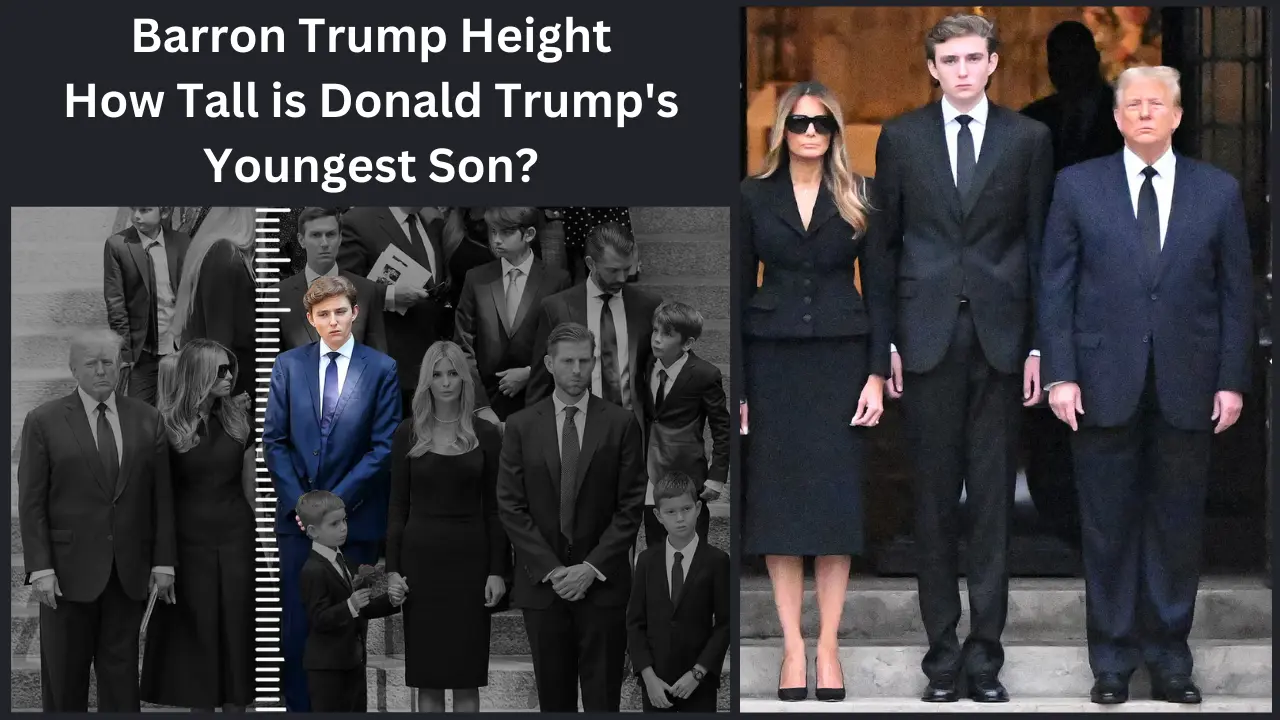
Family genetics provide one of the strongest explanations for differences in height. Children inherit combinations of genetic traits from their parents, and these traits influence growth potential. Height is not determined by a single gene, meaning siblings can also have noticeably different heights.
A person’s eventual height is influenced by many biological factors working together. Genetic variation can produce adults who are much taller or shorter than the population average while remaining perfectly healthy. This is why doctors consider family growth patterns when evaluating children and teenagers whose height falls outside typical ranges.
How Doctors Evaluate Unusual Growth
When a child or teenager appears significantly taller than expected, healthcare professionals do not simply diagnose a disease based on appearance. They may review previous measurements to determine the person’s growth velocity. A single height measurement provides much less information than a record showing how quickly someone has grown over several years.
Doctors may also compare measurements with standardized growth charts and consider parental heights. If the growth pattern suggests a possible medical problem, additional evaluation may be recommended. Depending on the circumstances, this can include physical examination, hormone testing, or imaging. These professional methods are far more reliable than attempting to identify a disease from photographs.
Why Responsible Reporting Matters
Public figures are frequently discussed online, but health claims require a higher standard of evidence than ordinary entertainment rumors. Incorrectly assigning a disease to someone can spread misinformation and create an unfair impression. This is especially important when the available evidence consists only of height, appearance, or comparisons with relatives.
When discussing barron trump height disease, the responsible conclusion is that unusual height should not be treated as proof of illness. Readers should look for verified statements and credible medical information rather than accepting social media theories. A careful approach protects both accuracy and personal privacy.
What People Should Take Away
The main lesson is simple: being very tall does not mean a person has a disease. Height varies naturally across populations and families, and adolescence can involve substantial growth spurts. Medical disorders affecting height do exist, but they require appropriate clinical evidence for diagnosis.
In Barron Trump’s case, publicly available information does not establish a specific disease explaining his height. Therefore, searches for barron trump height disease should be approached with caution. The most accurate information separates observable facts from speculation and recognizes that private health information cannot responsibly be inferred from appearance alone.
Conclusion
The discussion surrounding barron trump height disease largely comes from curiosity about Barron Trump’s unusually tall appearance. However, there is no reliable basis for concluding that his height proves he has a medical condition. Genetics, normal adolescent development, and individual growth patterns can all contribute to exceptional height. Medical diagnoses require professional evaluation and evidence, not photographs or online rumors.
Ultimately, it is better to view unusual height as a normal form of human variation unless credible medical information demonstrates otherwise. Readers should be careful with online health claims and avoid turning speculation into fact. Barron Trump’s height should not, by itself, be presented as evidence of disease.
FAQs
1. Is Barron Trump’s height caused by a disease?
There is no reliable public evidence confirming that a disease causes Barron Trump’s height. Being unusually tall can occur naturally through genetics and normal growth.
2. What does barron trump height disease mean?
Barron Trump height disease is an online search phrase connecting his height with possible medical conditions. It should not be interpreted as confirmation of an actual diagnosis.